
Pilates socks have become a billion-dollar category. The global Pilates socks market reached $1.42 billion in 2024 and is projected to grow to $2.42 billion by 2033, driven by the explosive growth of studio fitness and rising hygiene standards in shared workout spaces.
This isn’t just a niche accessory anymore. The yoga and Pilates socks market exceeded $267.9 million in 2023 and is expanding at 4.9% annually through 2032, with grip socks specifically expected to reach $170.4 million by 2032. Major sportswear brands are taking notice and Nike launched a sustainable yoga sock collection in February 2024 made from recycled materials while Lululemon expanded its accessories line in November 2023 with grip socks designed specifically for hot yoga.
The growth reflects real changes in how people work out. Pilates has shifted from boutique studios to mainstream fitness, with reformer classes becoming as common as spin or HIIT. Studio hygiene requirements have made grip socks mandatory in many facilities, turning what was once optional into essential gear. And the broader performance grip socks market, valued at $1.3 billion in 2023, is projected to reach $1.7 billion by 2028, spanning Pilates, yoga, barre and even medical applications.
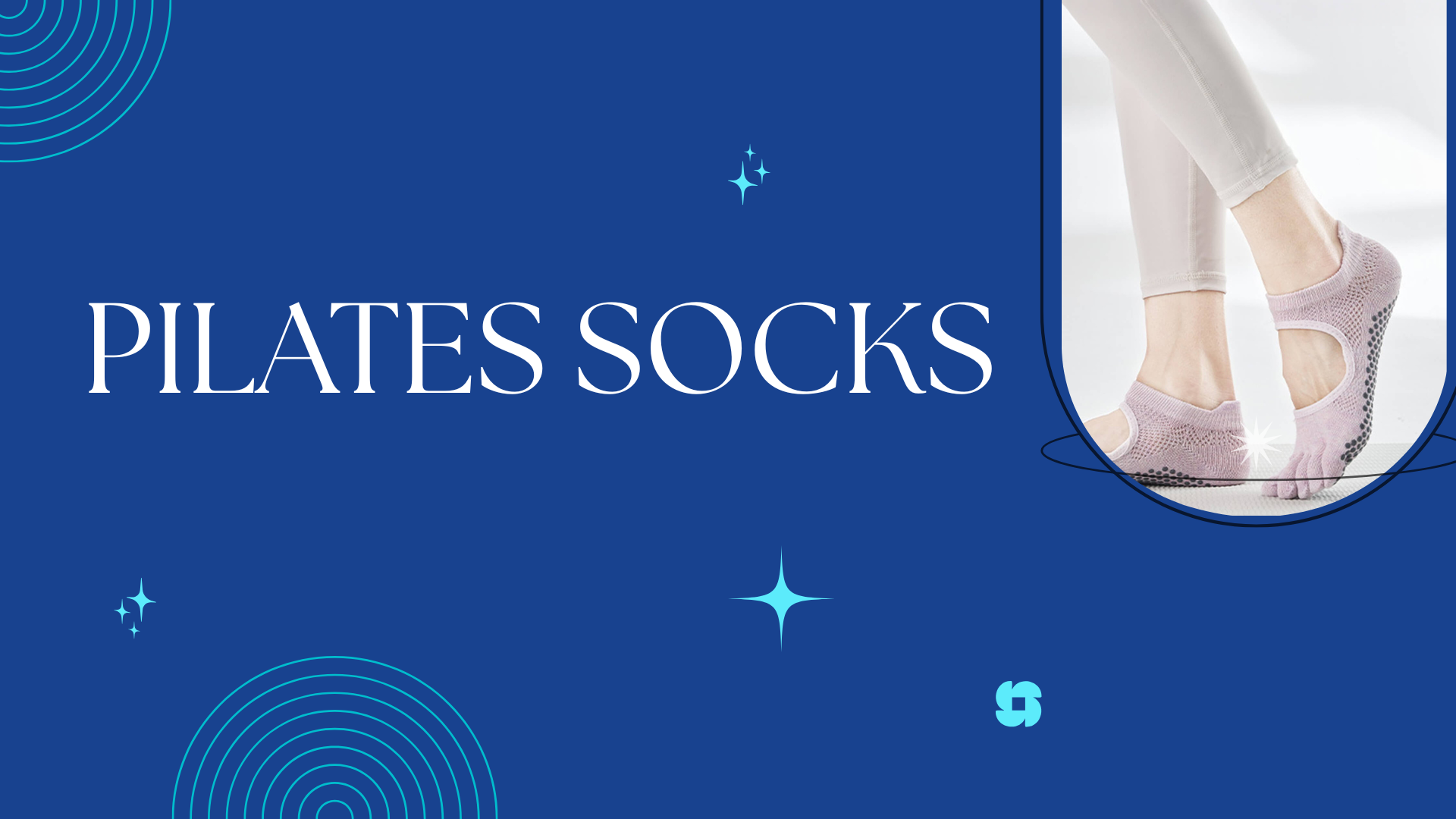
The market is flooded with look-alike products featuring generic silicone dots that wear off after a few washes. That’s where patents come in. Companies are filing intellectual property claims on anatomically aligned grip patterns, fusible yarns that integrate traction during manufacturing and breathable silicone structures that solve the heat-trapping problem of traditional designs. These are attempts to own specific performance advantages in a market where differentiation is getting harder.
This article examines the technologies driving innovation in Pilates socks, the challenges manufacturers face and what the patent landscape reveals about where this category is headed.
Why Pilates Socks Innovation is needed?
The need for better Pilates socks stems from real problems that users and studios face daily. Innovation in this category isn’t just about adding features, it’s about solving practical issues that affect safety, comfort and product longevity.
Studio Hygiene and Safety Requirements: Club Pilates requires all participants to wear grip socks for health and safety reasons, stating they’re necessary to prevent injury and help keep users stable on reformers. This isn’t just one studio’s policy. Grip socks provide a hygienic barrier that prevents direct contact between feet and equipment, reducing the risk of fungal infections and skin irritations in shared studio spaces.
The Durability Problem: Here’s where innovation becomes essential: grip socks don’t last as long as they should. Harsh detergents, high heat and improper washing can cause silicone grips to lose flexibility, leading to peeling, cracking or complete breakdown of the grip pads. This creates frustration for consumers who invest in what they expect to be durable athletic gear, only to find the grips deteriorating after a few weeks.
Heat and Breathability Issues: Traditional grip sock designs trap heat. Continuous silicone coverage across the entire sole blocks airflow, causing feet to overheat during longer sessions. For hot Pilates or barre classes where room temperatures are already elevated, this becomes a significant comfort problem. Users need socks that provide grip without turning their feet into sweatboxes.
Generic Grip Placement: Most grip socks feature decorative dot patterns that weren’t designed with biomechanics in mind. Quality brands emphasize even and reasonable silicone coverage ensuring stable support from heel to toe, rather than isolated dots. Poor grip placement means users still slip in critical movement zones while having unnecessary coverage in areas that don’t need it.
The Fashion-Performance Balance: Pilates has become a lifestyle category where aesthetics matter. Users want socks that perform well but also look good and coordinate with their outfits. This puts pressure on manufacturers to deliver technical performance without sacrificing style, a challenge that requires thoughtful material selection and design.
What are the Current Challenges in Pilates Socks?
Despite strong market growth, Pilates sock manufacturers face persistent technical challenges that directly impact product performance and user satisfaction. These problems aren’t just minor inconveniences, they’re engineering obstacles that determine whether a sock performs as intended or fails after a few uses.
Grip Deterioration Through Washing: The biggest durability problem with grip socks is how quickly the grips break down. Frequent washing or improper care causes grip elements to deteriorate, potentially compromising performance. High heat from hot water or dryers softens rubber or silicone, reducing its ability to hold onto surfaces. The problem compounds when manufacturers use cheaper adhesion methods, harsh chemicals, bleach and fabric softeners can break down grip elements and reduce the effectiveness of the non-slip feature.
Heat Trapping and Poor Breathability: Traditional grip sock designs create heat problems. Without the right fabric, grip socks can trap heat, hold moisture and quickly become uncomfortable, losing traction and developing unpleasant odors over time. This becomes critical during hot Pilates or extended sessions where heated Pilates classes, carpeted home setups or direct sunlight on mats can warm socks faster than expected.
Biomechanically Uninformed Grip Placement: Most grip socks feature decorative patterns rather than scientifically designed placement. Generic dot arrangements don’t account for where pressure actually concentrates during Pilates movements. Tavi’s three-point attachment system strategically places high-density silicone at the ball of the foot, heel and lateral edge where weight distribution concentrates during typical Pilates and barre movements.
Sizing and Fit Problems: One of the most common mistakes people make when buying grip socks is assuming “one size fits all”, ill-fitting socks can disrupt concentration and compromise safety. When socks are too loose, they slip off the heel or bunch up under the arch; when too tight, they restrict circulation, sometimes leading to numbness or pain. The fit issue becomes more complex when manufacturers try to balance compression for support with comfort for extended wear.
Manufacturing Consistency at Scale: Producing grip socks that maintain quality across large production runs remains difficult. Adhesion strength varies between batches, grip patterns can misalign during application and fabric blends don’t always perform consistently. For brands scaling up, maintaining the quality that built their reputation while meeting mass-market demand creates real manufacturing challenges.
These obstacles explain why patent activity has accelerated in this category. Companies that solve grip durability, breathability, biomechanical placement and manufacturing consistency through proprietary methods gain defensible competitive advantages worth protecting.
Check out Pilates Socks patents filed in 2026:
Who Is Working on It
Innovation in Pilates socks spans global sportswear brands, niche studio labels, and manufacturing-led textile companies:
- Nike Inc – Exploring fusible grip yarns that integrate traction directly during knitting, reducing post-processing steps.
- Tavi Active and boutique Pilates brands – Driving premium, fashion-forward designs aligned with studio culture.
- Peak Eazy Co Ltd. – Developing anatomically aligned grip systems informed by plantar biomechanics.
- Chinese textile manufacturers – Advancing cost-efficient 3D grip structures and breathable silicone architectures at scale.
This mix of lifestyle brands and material innovators reflects the convergence of fashion, performance, and manufacturing efficiency.
Key Patents behind Pilates Socks
Recent patent filings reveal a clear shift from basic grip dots toward engineered, multifunctional solutions.
| Patent Number | Patent Holder | Problem Addressed | Solution Proposed | Industry Impact |
| US2025351916A1 | Nike Inc | Secondary grip operations increase cost and reduce durability | Fusible TPU-coated PET yarn integrated during knitting | Enables grip integration into socks and shoe uppers; improves manufacturing efficiency |
| WO2025231511A1 | One Zero Pty Ltd | Grip-only socks lack wellness benefits | Elastomer matrix with therapeutic particles (e.g., silver, plant oils) | Establishes a premium therapeutic grip sock category |
| CN223219989U | Hanzhou Handragon Sport Sci & Tech Co Ltd | Lateral foot slippage inside footwear | 3D concave/convex bionic friction strips | Targets Pilates and cardio crossover use cases |
| WO2025069453A1 | Peak Eazy Co Ltd | Generic grip patterns ignore foot anatomy | Grip aligned with plantar fascia and pressure zones | Reduces plantar strain; expands into rehab markets |
| CN222054616U | Yiwu Rouhui Knitting Co Ltd | Overheating under thick grip layers | Multi-zone corrugated silicone with mesh ventilation | Improves comfort in warm studio environments |
Get the list of Pilates Socks patents. Discover the problems they solve and the delivery solutions they offer. Fill out the form to access it now!
Future Aspects of Pilates Socks
Pilates socks are increasingly part of a broader Pilates Fashion meta trend, where studio workouts intersect with lifestyle and social identity.
In recent years, Pilates classes have become fashion-forward environments, with coordinated outfits and premium accessories. The rise of the so-called “Pilates Princess” archetype underscores how Pilates apparel has become a cultural signal, a shift noted by fashion business media including Vogue Business.
Search behavior supports this evolution. Over the past two years, interest in Pilates outfits has surged by more than 250%, pulling accessories like Pilates socks into a wider style-driven ecosystem.
Adjacent product categories gaining momentum include:
- Pilates bras – Lightweight, breathable designs with racerback or elongated crop-top silhouettes.
- Pilates leggings – High-waist styles favored for grip and coverage on reformer machines.
- Pilates bags – Small duffle-style bags for carrying socks, water bottles and personal items; many double as yoga bags.
As competition intensifies, patent-backed innovation in grip placement, breathability and durability will become increasingly important for differentiation.
The grip sock market has reached an inflection point. What worked two years ago, basic silicone dots and cotton blends, no longer cuts it. Studios demand better hygiene solutions, users expect socks that survive more than a month of regular use and the aesthetic bar keeps rising as Pilates becomes as much about community and style as it is about core strength.
Patent filings show where the industry thinks it’s going: breathable grip architectures, fusion bonding that withstands industrial washing, anatomically mapped traction zones. The companies positioning themselves now are establishing ownership over the technologies that will define what “better” means as this category matures. In a market moving toward $2.4 billion, that ownership matters more than ever.
For deeper patent landscaping, trend validation, or competitive analysis within the Pilates socks market, explore our latest research or connect with our team for tailored insights.