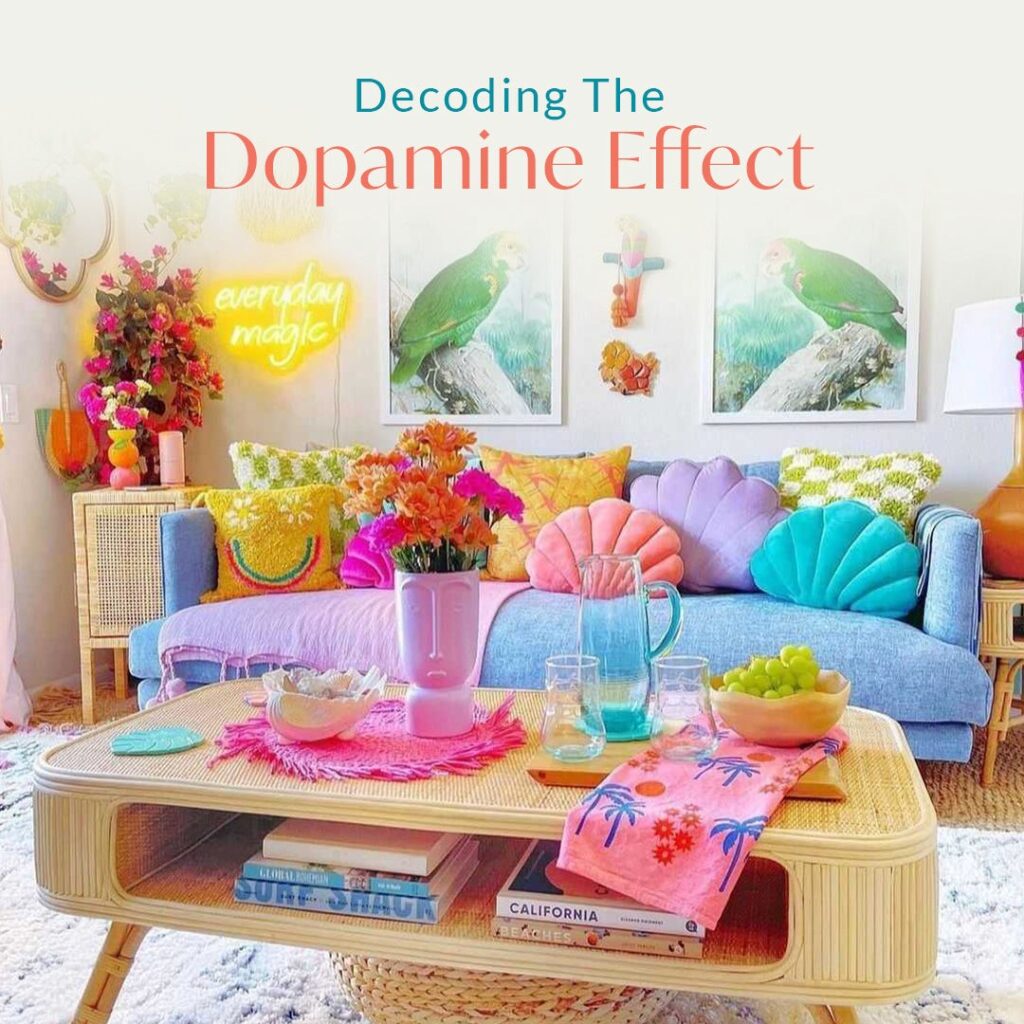
Have you ever walked into a room and instantly felt energized or, on the contrary, relaxed and at ease? The science behind these reactions lies in the way our brain interacts with light, color, and space. Welcome to Dopamine Decor, a design movement that blends the art of interior design with the science of neuroscience. It’s not just about creating beautiful spaces; it’s about designing environments that trigger joy, enhance motivation, and support our well-being.
At the heart of this movement is an understanding of dopamine, the brain’s “feel-good chemical,” and the role it plays in how we experience our surroundings. When interior design aligns with circadian rhythms, it has the power to enhance mood, productivity, and overall mental health. This article explores how circadian-aligned lighting and scientific design principles can create spaces that do more than just look good they actively support your health and happiness.
Check out Circadian-Aligned Lighting patents filed in 2025:
The Science Behind Dopamine and Design
Dopamine plays a key role in our pleasure, focus, and motivation. While dopamine is often associated with food, music, and achievements, it’s also significantly influenced by our environment. The colors we choose, the textures we touch, and, perhaps most importantly, the lighting around us can all trigger dopamine release in the brain.
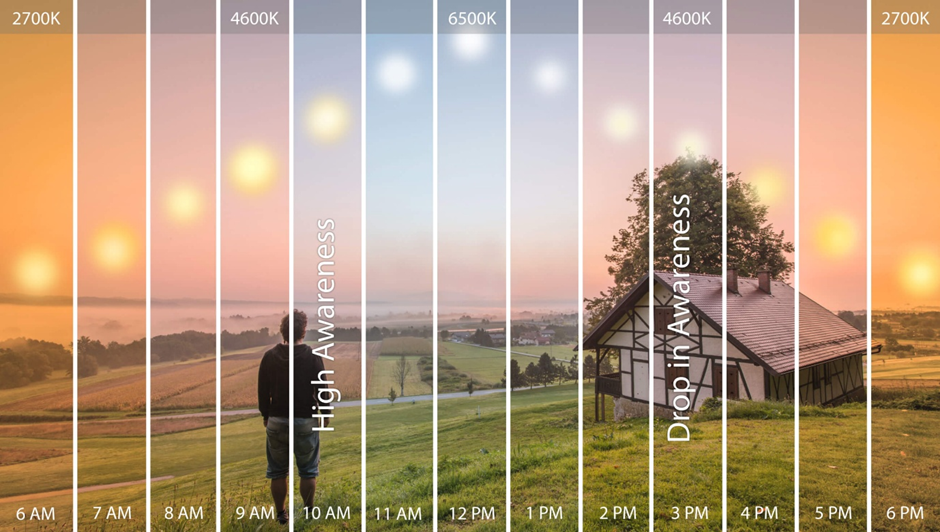
There’s another factor at play: circadian rhythms. Our bodies’ internal clocks regulate when we feel awake, alert, sleepy, or relaxed. The most powerful influencer on our circadian rhythms is light. Blue light helps us stay awake during the day but can disrupt melatonin production (our sleep hormone) at night. By integrating design elements that support both dopamine release and circadian rhythms, we can create spaces that promote well-being throughout the day.
Patents That Bring Science Into Design
Innovative companies are now filing patents that translate these scientific concepts into practical, functional lighting solutions, bringing the Dopamine Decor movement to life. Here are some standout technologies:
| Patent | Company | Problem | Solution | Impact |
| WO2016145059A1, US10471231B2, CA3017104A1 | ZircLight Inc. | Blue light at night disrupts melatonin production | Circadian lighting that attenuates blue wavelengths at night while balancing with violet light. Integrates user data. | Reduces disruption to sleep patterns, improving overall sleep quality and circadian rhythm balance. |
| CN115004861A, US12089310B2 | Signify Holding B.V. (Philips) | Lack of personalized lighting | Spatially aware lamps and ceiling lights adapting to circadian needs, ensuring melatonin-friendly lighting. | Provides personalized lighting adjustments, enhancing comfort and productivity for individuals. |
| EP4234009A1 | BrainLit AB | Shared spaces with different circadian needs | Multi-user optimization algorithms for offices and classrooms to balance lighting for groups. | Optimizes shared environments, promoting well-being and productivity for all users. |
| JP2022173407A | Nichia Corporation | LED spectrum not optimized for wellbeing | Phosphor-based LED technology to fine-tune melanopic ratio for circadian benefits while maintaining color rendering. | Improves mood and alertness while ensuring accurate color rendering, promoting a healthy lighting environment. |
These patents highlight the emerging technologies that are shaping the future of neuroscience-driven design.
Get the complete list of Dopamine Decor patents. Discover the problems they solve and the solutions they offer. Fill out the form to access it now!
Market Trends: Growth in Circadian Lighting Systems
The circadian lighting systems market is experiencing significant growth, projected to reach $1.5 billion by 2030, with a compound annual growth rate (CAGR) of 14.6% from 2024 to 2030. This surge is driven by increasing awareness of the benefits of human-centric lighting that aligns with natural circadian rhythms, enhancing well-being and productivity. Key applications span various sectors, including healthcare facilities, educational institutions, hospitality, manufacturing, residential spaces, offices, and transportation. Technological advancements in LED lighting, color temperature control, and automated lighting control systems are pivotal in meeting the demand for biologically supportive illumination solutions.
3 Recent Startups in Circadian Lighting
In addition to large companies, many startups are playing a key role in pushing the boundaries of Dopamine Decor and circadian lighting design. Here’s a look at some innovative startups that are making strides in this space:
| Company Name | Founded Year | Products | Services |
| Circadacare | 2021 | Circadian lighting systems integrated with AI monitoring | Solutions for elderly and dementia care to improve independence and quality of life |
| LumosTech (Lumos Technologies) | 2015 | Lumos Smart Sleep Mask; light therapy device using gentle light pulses | Circadian rhythm realignment for jet lag, night shift workers, and improved sleep quality |
| Circaman | 2024 | Color transition LED circadian lighting products | Innovation and manufacturing of human-centric lighting solutions for commercial and residential use |
These startups are actively transforming how we think about lighting, with a focus on human-centric designs that improve health, productivity, and well-being.
Dopamine Decor is more than a passing trend it’s a science-backed movement that reshapes how we think about the spaces where we live, work, and heal. By blending neuroscience with circadian-aligned lighting and design principles, we are learning that our spaces can do more than just please the eye they can support our health, spark joy, and enhance our daily lives.
Unlock 90% of Global Dopamine Decor Insights
Tired of sifting through endless reports? We’ve gathered 90% of the world’s top research on Dopamine Decor in one place. Want insights that speak to your needs? Simply fill out the form below, and we’ll send you tailored, actionable information!